Chocolate Soufflé
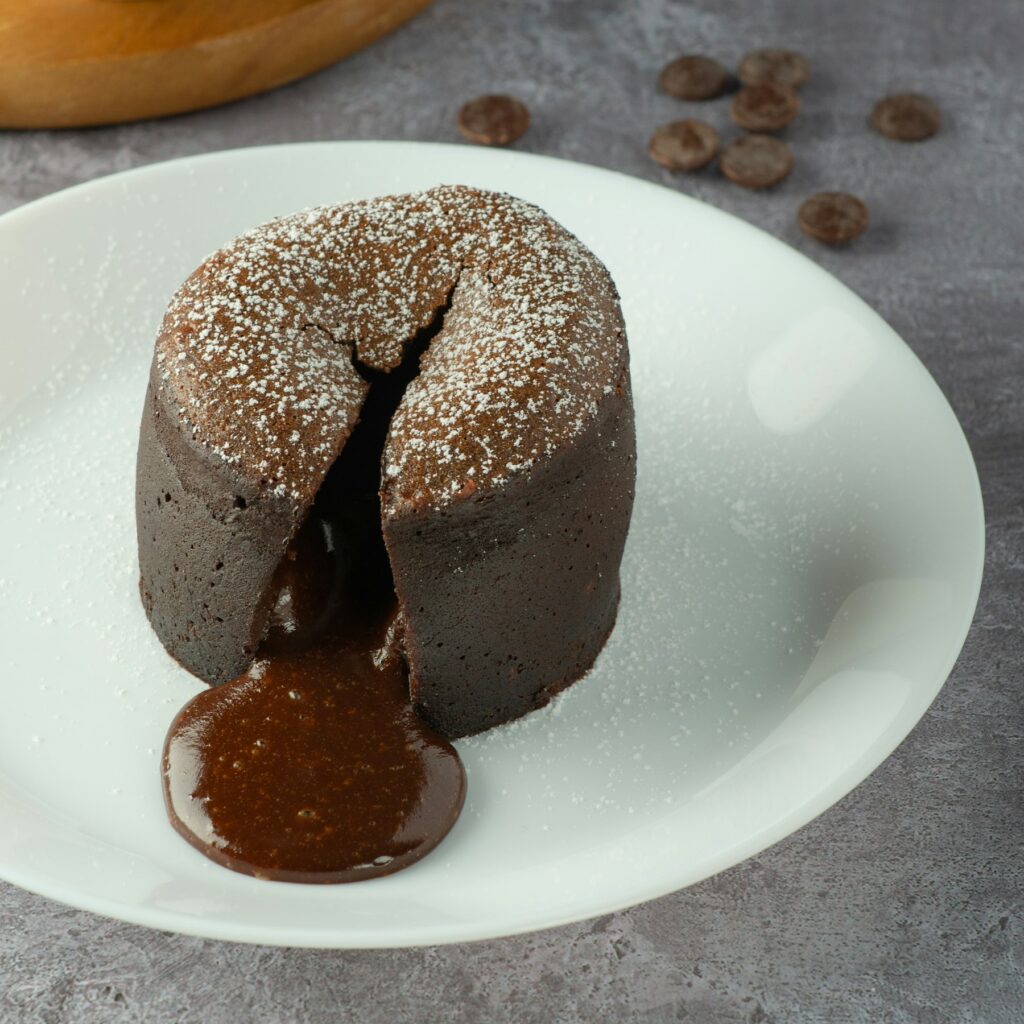
A timeless French dessert—light, airy, and deeply chocolatey—this soufflé rises beautifully and delivers an indulgent, melt-in-your-mouth finale. Paired with warm raspberry sauce or fresh berries, it’s the ultimate romantic finish.
- Serves
- 4 (6-ounce ramekins)
Directions
-
Preheat & Prepare Ramekins: Adjust the rack to the lower third of the oven and preheat oven to 400°F. Generously butter 4 (6-ounce) ramekins. Coat the insides with granulated sugar, tapping out excess. Set on a baking sheet.
-
Melt the Chocolate: Place the chopped chocolate in a medium bowl. In a small saucepan, gently warm the butter and heavy cream over low heat until simmering but not boiling. Remove from heat for 30 seconds, then pour over the chopped chocolate. Let sit for 1 minute, then whisk until the chocolate is fully melted and smooth. Let cool slightly before adding in the yolks.
-
Make the Base: Whisk in the 4 egg yolks, salt, and vanilla until combined and the texture is smooth and creamy.
-
Whip the Egg Whites: In a separate bowl of a stand mixer fitted with a whip, beat egg whites and cream of tartar on medium speed until foamy. Gradually add 3 tablespoons of sugar, 1 tablespoon at a time. Continue beating until glossy and beat until stiff glossy peaks form, about 2 more minutes. Do not over-beat.
-
Fold & Fill: Slowly and gently fold the egg whites into the chocolate mixture. It’s best to do this in 3 separate additions, combining each addition completely before folding in more, being careful not to deflate the mixture. Spoon batter into the prepared ramekins, leveling the tops. Run a knife or thin offset spatula around the inner rim at the very top of each to help soufflés rise evenly.
-
Bake: Place baking sheet with ramekins in the oven. Immediately reduce oven temperature to 375°F. Bake for 14-15 minutes or until the edges are set and the center just barely jiggles when you give the pan a light tap. Avoid opening/closing the oven too much.
-
Serve Immediately: Just before serving, dust each soufflé with powdered sugar. Spoon a bit of warm raspberry sauce over the top and garnish with a few fresh raspberries for a vibrant, tart contrast. The center should be delicately soft and creamy. Soufflés are best enjoyed immediately, as they begin to deflate within minutes— though even as they settle, their delicate sponge-like texture and crackly top remain irresistibly rich and satisfying.
-
Soufflé Technical Notes
-
Understanding the techniques and science behind soufflé-making helps demystify this elegant dessert and improves your results every time.
-
Eggs: Eggs should be at room temperature for optimal separation and volume. Cold eggs resist whipping and won't achieve the same glossy peaks. Let them sit out for about an hour before starting.
-
Cream of Tartar: A natural acid derived from winemaking, cream of tartar is often added to egg whites to stabilize the proteins and help them hold air. It improves structure and reduces the risk of over-whipping. Use it sparingly—about 1/8 teaspoon per 2 egg whites.
-
Cream vs. Butter: Both cream and butter enrich the soufflé base, but they offer different effects: Choose based on your desired flavor profile—cream for light and airy, butter for rich and decadent.
-
Heavy Cream (34% fat) adds silkiness and a light mouthfeel, making it ideal for a smooth, gently rich texture.
-
Butter (80–90% fat) contributes greater richness and a deeper flavor, especially in chocolate soufflés. Its higher fat content enhances structure and creates a more luxurious base.
-
Air: The Lift Behind the Soufflé: Air is the invisible engine that gives a soufflé its signature rise. When egg whites are whipped, proteins form a network around air bubbles. Heat causes those bubbles to expand, lifting the batter into a light, cloud-like structure. The soufflé base binds the air pockets and gives the dessert its creamy interior.
-
Equipment Tips
-
Whisking Tools: A stand mixer or hand mixer with a whisk attachment is ideal for whipping egg whites to medium-stiff peaks. Whisking by hand is possible but requires stamina and speed.
-
Bowls: Use a clean, dry metal bowl—preferably unlined copper—for beating egg whites. Copper ions naturally stabilize the egg proteins. Avoid plastic, as it can retain fat or residue that hinders aeration.
-
Soufflé Dishes: Traditional ceramic soufflé dishes or ramekins with tall, straight sides encourage a strong upward rise. Grease and sugar the sides evenly to help the batter climb.
From Shawnie's class “Paris Je T’aime: Savoring the City of Light” (also taught in Decadent DN Lobster Thermidor & Souffle, New Year Champagne Celebration, Soufflé Workshop)