Mini Tartlets with Lemon Curd
Directions
-
For the Tart Shells
-
Roll out the pie dough until 1/8 thin. Using a round cookie cutter that measures slightly larger than the width of each muffin tin, cuts as many rounds as you can from the crust.
-
Lightly brush the base of each muffin tin with nonstick spray or butter.
-
Gently slide each circle of pastry in the muffin pan. Carefully press on the edge between the bottom and the sides to make sure there are no air bubbles stuck between the pastry and the pan.
-
Dock the pastry (prick the bottom of each shell with a fork) then place back in the fridge to chill and rest for at least 1 hour, or up to 24 hours.
-
Preheat your oven according to directions on the package. Place the muffin pan in the freezer so that the pastry becomes very cold.
-
Line each tartlet shell with a small piece of baking paper and fill them with baking beads or dried beans. This weighs down the dough and prevents it from shrinking. Leave enough parchment sticking up so that it can be picked up by the edges (like a sack) to remove the hot beads, rather than dumping them out.
-
Bake for 12-15 minutes (based on the size of your tart) to fully cook the shell. After 12 or so minutes, remove muffin tin from the oven and carefully lift out the baking weights and transfer them into a bowl or pan to cool.
-
Bake the tart shells for an additional 10-15 minutes, or until they are golden brown. Remove from the oven and allow them to cool down completely before filling.
-
Note: depending on your choice of filling, you might not need to fully blind bake the shells as this recipe does. In some cases, you may have to only partially pre-bake them or not blind bake them at all if you are cooking the filling in them.
-
For the curd
-
Separate the yolks from the whites. You can freeze the egg whites for later or make a Swiss meringue buttercream with them.
-
Zest the lemons. If you have a food processor, it is ideal to pulse the lemon zest and sugar together to really extract all the oils from them, but this step is not a must.
-
Juice the lemons until you have about half a cup of lemon juice. Be sure to strain out the seeds.
-
In a small pot over low heat, whisk egg yolks lightly; then whisk in the sugar until fully combined and lighter in color. Stir in lemon juice gradually.
-
Heat on low, while stirring constantly with a wire whisk until mixture thickens. The mixture should just start to bubble and coats back of wooden spoon. Manage the heat so it doesn’t burn or stick to the bottom of the pan.
-
Remove pot from heat, then add the cold, cubed butter and stir until melted.
-
Optional: Straining the final mixture to remove any bits of zest or small clumps will create a luxurious silky-smooth curd.
-
Transfer the curd to a sealable container or bowl. If storing in a bowl, cover the surface with plastic wrap to prevent a skin from forming.
-
Assemble the Tarts
-
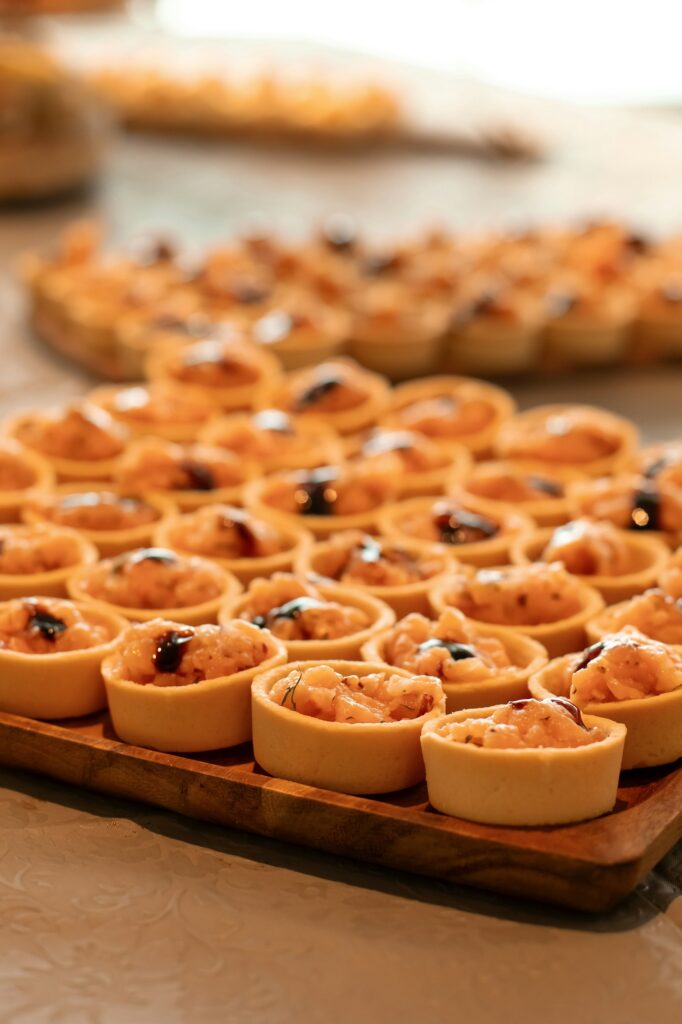
Use a small spoon to neatly fill each shell with lemon curd or premade preserves of choice. Top with 2 or 3 blueberries, a dollop of whipped cream, or a chiffonade of mint.
Shawnie’s notes
Because the tart shells are so small, try not to roll the pastry too thick or the ratio of pastry to filling will be off. They will also be too delicate and crack if it is rolled too thin. 1/8-inch seems to be the perfect thickness for these tartlet crusts.
The shells also need to be very cold (even frozen) prior to baking to ensure they don't shrink or collapse in the oven. Never skip the resting & chilling steps when making pastry.
Use a simple Round Cookie Cutter for a classic tartlet look, or a fluted cookie cutter for a fancier scalloped edge effect.
The width you cut out each pastry will determine how deep the mini pie crust will be. The wider they are, the deeper the pastries will be. As a general rule, try not to go smaller than the opening of the muffin pan or you will get a very shallow crust.
From Shawnie's class “English Afternoon Tea”