Orange Sorbet Prosecco Float
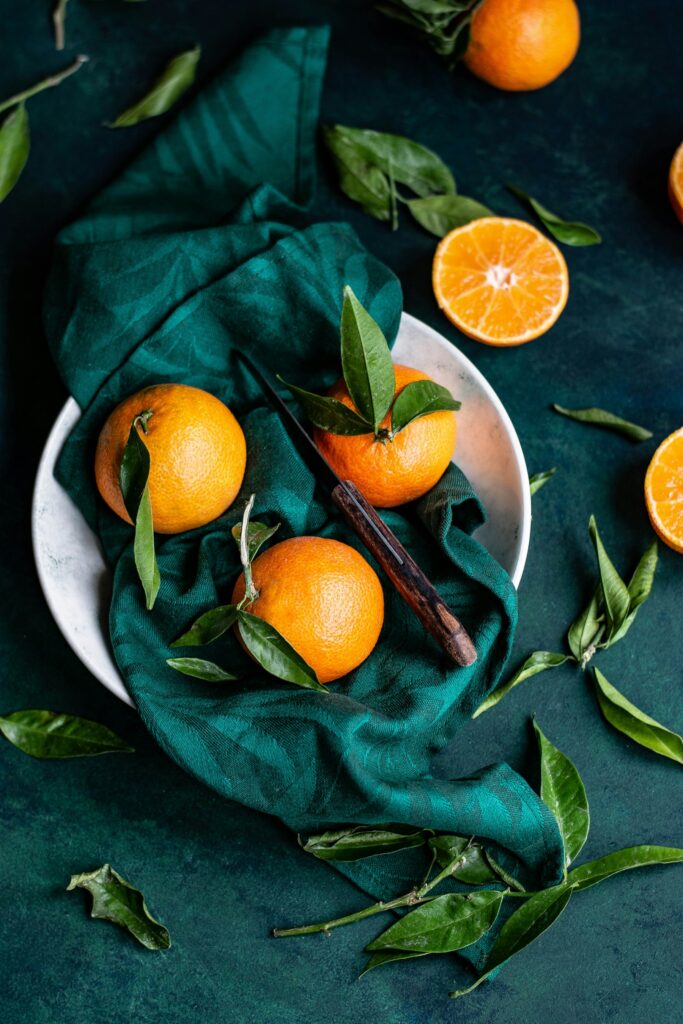
These boozy ice cream floats are like the grown-up version of creamsicles – one of my favorite childhood treats! This is inspired by my favorite orange push pops and the creamsicle on a stick where the orange coated the vanilla ice cream center. This drink only requires a few ingredients and will make you dream of the coming spring.
Directions
-
Place the scoops of vanilla ice cream on the bottom, and orange sherbet on top of the vanilla (just like the creamsicle!) in a tall drinking glass or tall stemless wine glass.
-
Use a deep vessel because they will foam up quite a bit!
-
Top with desired amount of prosecco and garnish with a sprig of mint and an orange zest curl.
-
Drink immediately! And then drink another one.
-
WHY IS DUCK MEAT SO GREASY YOU ASK?
-
Ducks and geese are waterfowl, so they have an ample fat layer beneath the skin that keeps them buoyant and warm in cold waters. Unlike chickens, ducks are migratory meaning they’ve evolved to use their bodies for long journeys. This exertion gives ducks lean, strong muscles, especially those of the hard-working breasts, which have a deep red wine color and almost chewy texture.
-
Duck, much like the turkey, has differing degrees of dark meat, though duck meat in general is much darker, closer to lamb or beef, with myoglobin giving it a rich purple color. That being said, the breast is still lighter and should only be cooked to 135°F (57°C) to avoid drying out the meat. The thighs and legs, on the other hand, should be heated to 165°F if roasting a whole duck.
-
Most may see 135°F and think that that’s much too low for a poultry dish, and generally, you would be correct. The USDA recommends 165°F internal temperature for all poultry. But because duck is not a common carrier of salmonella and its meat is more akin to lamb or beef, “Rare-to-medium” is the preference when it comes to cooking duck breast. And, with medium rare being around 135°F according to the USDA, this fits perfectly with the cooking of this The fatty fowl.
-
WINE PAIRINGS
-
Duck meat needs a wine with sharpness and acidity to cut through its fattiness and sweetness of the sauce.
-
Oregon Pinot Noir: its acidity best balances out the fattiness of the duck.
-
Spanish Rioja: Medium-bodied red with black cherry flavors and smoky notes.
-
California Zinfandel: the fruity grape has just enough tannins to balance the fat but not overpower with sweetness.
-
French Rosé: A dry, full bodied rosé or sparkling rosé, particularly from the Rhone region of France pairs well with its mellow tannins and acidity.
-
Pinot Gris: Slightly dry and aromatic white wine that can cope with the oiliness of duck.
From Shawnie's class “Cooking with Wine: Valentine’s Edition”